Jun 23, 2026
First Time Golf Tips: What Every New Golfer Should Know
I still remember my first time at a driving range in California. I borrowed a cheap 7-iron from a friend, bought a bucket of balls, and honestly thought I’d figure it out in 20 minutes. I didn’t. I shanked the first few shots so badly the ball barely stayed on the grass. A guy two bays over actually laughed, not in a mean way—more like “yeah, welcome to golf.”
That moment kind of set the tone. Golf looks slow and simple, but the learning curve is weirdly humbling. If you’re starting out, you’re not supposed to be good. The goal early on is just to get comfortable being bad without quitting too early.
Don’t Swing Hard — Rhythm Beats Power for New Golfers
The first thing I wish someone told me is this: don’t swing hard. Most beginners try to “hit” the ball instead of “swinging through” it. I did exactly that. The result is usually slices, topped shots, or complete misses. When I finally slowed down and focused on rhythm instead of power, my shots actually started going straighter—even if they weren’t far.

Master Light Grip Pressure to Avoid Tense Swings
Grip pressure was another surprise. I used to hold the club like I was trying to crush it. My forearms would get tense, and my swing would get worse the longer I played. A coach once told me something simple: hold it like you’re holding a tube of toothpaste without squeezing it out. That mental image stuck, and it helped more than any technical explanation.
Find Balanced Posture Instead of Chasing Perfect Stance
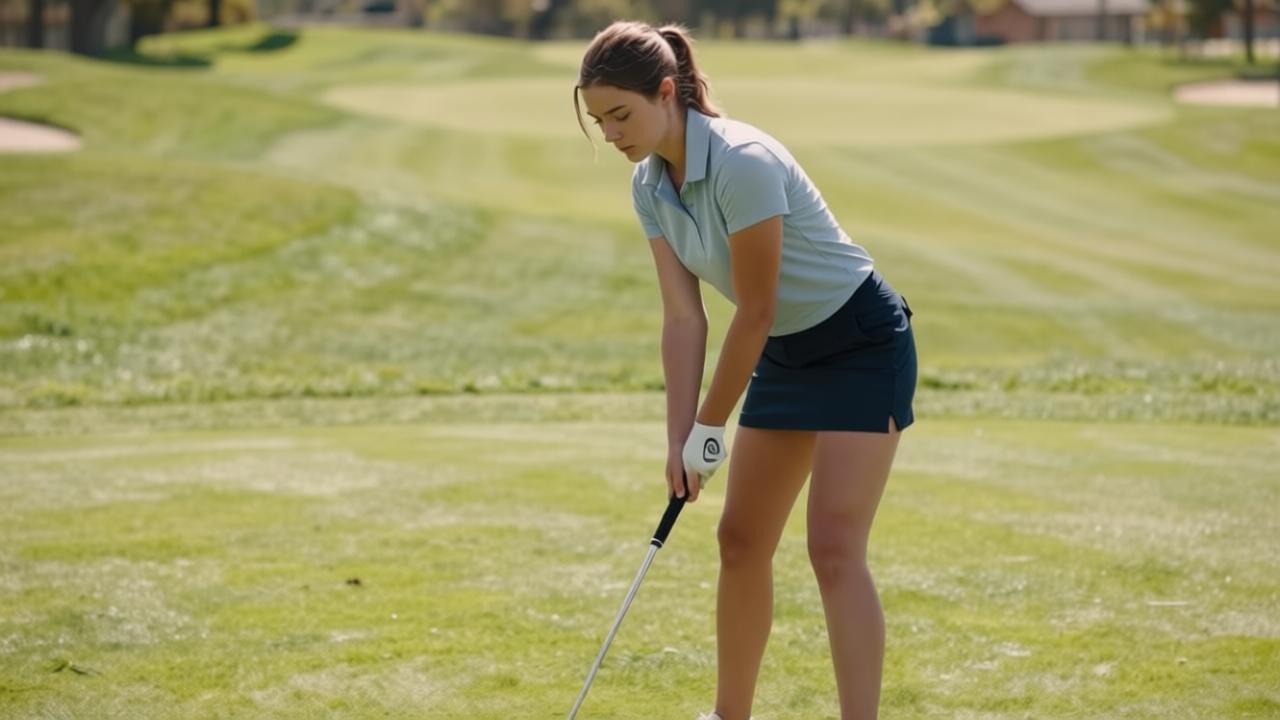
Posture is where a lot of beginners quietly struggle without realizing it. You don’t need a perfect textbook stance. You just need balance. Slight bend in the knees, weight centered, and let your arms hang naturally. If you feel stiff before you even swing, the shot usually won’t go well.
Short Game Practice Makes the Biggest Score Difference
Something I didn’t appreciate early on was how important the short game is. Everyone wants to hit driver shots because they feel good. But my scores didn’t improve until I started practicing putting and chipping more than full swings. You can miss a perfect drive and still recover. You can’t ignore 3-putting every hole and expect to score well.
Control Your Mindset — Every Shot Is a Fresh Start
The mental side of golf hit me harder than the physical part. One bad shot can easily mess up your next three holes if you let it. I’ve had rounds where I started fine, hit one terrible slice, and suddenly I was playing angry instead of playing smart. Over time I learned that every shot is a reset. Golf punishes emotional reactions more than technical mistakes.
Basic Golf Etiquette All First-Time Players Need to Learn
There’s also etiquette, which feels overwhelming at first but becomes natural quickly. Don’t talk during someone’s swing, don’t stand in their line of sight, keep pace with the group, and don’t spend forever searching for lost balls. Most experienced golfers are actually patient with beginners as long as you keep things moving and show basic awareness.
Beginner Gear: Expensive Clubs Won’t Fix Bad Swings
Equipment-wise, I made the classic mistake of thinking better clubs would fix my swing. They don’t. A forgiving beginner set matters far more than brand or price. I actually played better when I stopped switching clubs and just learned the feel of what I already had.
Golf Improvement Isn’t Linear — Don’t Get Discouraged
One thing nobody really tells you is that progress in golf doesn’t feel linear at all. You’ll have one day where everything clicks and you feel like you’ve “got it,” and then the next day it all falls apart again. That’s normal. Improvement in golf is more like stacking small adjustments over time rather than leveling up suddenly.
After a while, I stopped trying to force improvement and started focusing on repetition. Same swing thoughts. Same basics. Less overthinking. That’s usually when things start to quietly improve in the background without you noticing right away.
Golf, at least for me, stopped being about performance early on and became more about patience. It’s one of the few sports where you’re constantly reminded that progress takes time, and frustration is part of the process. If you can stay with it long enough to get through that awkward beginner stage, the game starts to open up in a way that feels genuinely rewarding.
More Details
Hi, this is a comment.
To get started with moderating, editing, and deleting comments, please visit the Comments screen in the dashboard.
Commenter avatars come from Gravatar.